
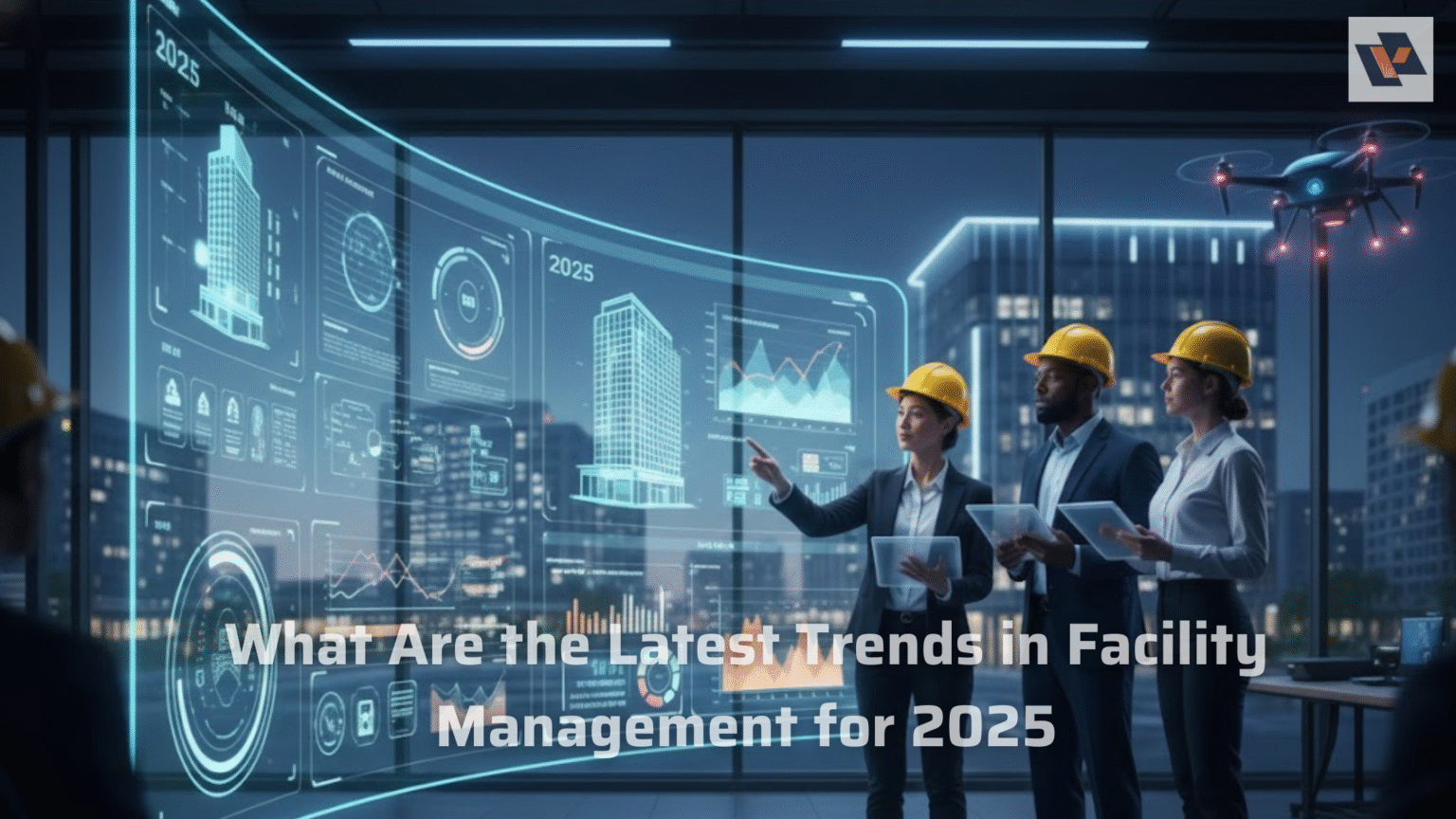
The facility management industry is evolving faster than ever in 2025, driven by advancements in technology, sustainability goals, and the changing needs of modern workplaces. Organizations today are rethinking their operational strategies and opting for intelligent, data-driven facility management solutions that improve efficiency, safety, and sustainability. From smart building automation to predictive maintenance and AI-assisted decision-making, the new era of facility management is shaping a better way to manage spaces and people.
The Evolution of Facility Management in a Digital World
Traditionally, facility management focused on basic maintenance, asset tracking, and space optimization. In 2025, the industry has embraced digital innovation as an indispensable part of its ecosystem. Facility management service providers now integrate cloud platforms, IoT sensors, and machine learning algorithms into their operations to create interconnected environments that deliver real-time insights into building performance.
This shift toward digitization helps companies streamline maintenance processes, reduce downtime, and forecast issues before they escalate. The result is a more proactive and cost-efficient approach that enhances both productivity and occupant satisfaction.
1. Smart Building Technologies Take the Lead
Smart building technology continues to dominate facility management trends in 2025. With IoT-enabled systems, facility teams can monitor energy consumption, lighting, HVAC, and occupancy levels remotely. AI-driven platforms analyze this data to recommend actions that minimize energy waste and improve operational efficiency.
For example, smart HVAC systems powered by AI can adjust temperatures automatically based on occupancy patterns, cutting energy bills and improving comfort. These innovations help organizations meet both financial and environmental goals, making smart building adoption a top priority across industries.
Facility management solutions that incorporate smart automation are especially valuable for large enterprises managing multiple sites. Centralized dashboards now allow facility managers to oversee hundreds of properties seamlessly, ensuring consistent performance and compliance across the portfolio.
2. Predictive Maintenance Supported by AI
Reactive maintenance is quickly becoming obsolete. In 2025, predictive maintenance enabled by AI and IoT plays a pivotal role in asset management. Sensors embedded in machinery and building systems continuously collect operational data, which AI models analyze to predict when components are likely to fail.
This capability helps organizations reduce unexpected breakdowns and extend equipment lifespans while optimizing maintenance schedules. Facility management service providers offering predictive maintenance capabilities are in high demand as organizations seek reliable, data-backed solutions that minimize downtime.
Predictive analytics also allows facilities management consultants to identify underperforming equipment, assess energy inefficiencies, and provide tailored recommendations for each site based on data, not guesswork.
3. The Rise of Sustainable and Green Buildings
Sustainability is more than a buzzword, it’s a central pillar of modern facility management. In 2025, companies are investing heavily in green infrastructure, renewable energy sources, and environmentally friendly materials. From solar panels to energy-efficient HVAC systems, sustainability initiatives are reshaping building operations.
Many governments and corporations now measure success not only by operational efficiency but also by environmental responsibility. As a response, facility management services increasingly include waste management optimization, water conservation measures, and green building certifications (like LEED or WELL).
Partnering with an experienced facilities management consultant ensures compliance with sustainability standards while identifying cost-saving opportunities through reduced energy and resource waste.
4. Employee Experience and Workplace Well-Being
With hybrid work models becoming the norm, facility management is taking on a more human-centered approach. In 2025, one of the biggest trends is the focus on enhancing employee experience. Beyond maintaining buildings, facilities teams are now responsible for creating environments that foster engagement, collaboration, and well-being.
Smart sensors can monitor indoor air quality, noise levels, and lighting conditions to create comfortable, adaptive workplaces. Facility management service providers are leveraging workplace analytics to understand how spaces are used and make adjustments that align with employee needs.
This integration of technology and human experience strengthens employer brands and boosts productivity, especially in hybrid or activity-based workplace models.
5. Integrated Facility Management (IFM)
Another major trend driving the industry forward in 2025 is integrated facility management (IFM). Instead of relying on multiple vendors for distinct tasks, companies are consolidating their needs under a single provider capable of delivering comprehensive facility management services, including maintenance, security, cleaning, catering, and sustainability oversight.
The integrated approach eliminates communication gaps and improves accountability while reducing overall management costs. For growing organizations, IFM offers scalability, flexibility, and consistent service quality across multiple sites, a key advantage in today’s dynamic business environment.
6. Digital Twins and Data Visualization
Data visualization tools and digital twin technology have made significant inroads into facility management. A digital twin is a virtual replica of a physical building that updates in real time as conditions change. It integrates operational data, energy metrics, and spatial utilization insights into a single platform.
By simulating various scenarios, facility managers can predict the impact of layout changes or system upgrades before implementing them in real spaces. This trend empowers facility management consultants to provide more strategic, data-informed guidance.
For organizations managing high-value infrastructure, digital twins offer not only superior risk management but also a way to optimize lifecycle performance and sustainability metrics.
7. Cybersecurity in Smart Facilities
As buildings become more connected, the cybersecurity of facility management systems has become a critical priority in 2025. Cloud-based platforms, IoT sensors, and integrated control systems expose facilities to potential cyber threats if not properly secured.
Facility management service providers now must ensure robust data protection and access control as part of their offering. Companies are investing in cybersecurity training and endpoint protection solutions to safeguard digital infrastructure from breaches. In a hyperconnected world, managing physical spaces securely also means managing digital safety.
Embracing a Data-Driven Future
The facility management landscape in 2025 is smarter, greener, and more integrated than ever before. As organizations navigate fluctuating economic and environmental pressures, investing in advanced facility management solutions becomes essential for long-term success.
Whether through AI-driven insights, sustainable building design, or integrated service delivery, facility managers are emerging as strategic partners who shape the future of workplaces. Partnering with expert facility management service providers or an experienced facilities management consultant ensures your organization stays ahead of innovations transforming the built environment.
The key takeaway? The future of facility management belongs to those who embrace data, technology, and sustainability together, ensuring every space performs at its best while supporting the people within it.